Viviana di Nardo's Life in Sorano
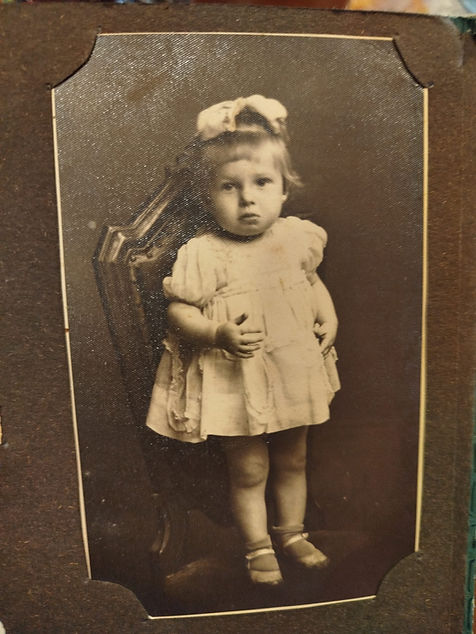
Viviana Di Nardo was born in 1931 in Pratolungo, a small village in the municipality of Sorano, and grew up in the countryside, between Pitigliano and Sovana, in Pian dei Conati, where the Sassotondo winery is now located.
Viviana was the oldest of five children, and from a young age, she helped her mother in the kitchen. At six or seven years old, she started making pasta dough, and by ten, she was already a skilled housewife. Every week, she made bread with her mother’s help and prepared cheese every day.
.jpeg)
Viviana di Nardo, born in 1931, has lived in Sovana, in the Sorano county, her whole life.
After school, she would cook for the entire family. Among her childhood memories, she recalls that polenta was a staple dish, served at eight o’clock in the morning, both in summer and winter, and during the warmer months, it was eaten outdoors after the family went out early to work in the fields.
Viviana cared for her younger brother, who was 13 years younger than her, almost like a mother. Her brother developed such a close bond with her that he sometimes confused her with their mother.
During her childhood and still, until the 1950s, bartering was practiced. On her way to school in Pitigliano, Viviana would visit various shops, exchanging ricotta, aged cheese, or eggs for pasta, canned tuna, and other goods.
.jpeg)
Viviana and Osvaldo were married when she was 20, in 1951.
Her family worked as sharecroppers for a landlord from Rome and managed around a hundred sheep, a vineyard, and small farm animals. During the war, they hosted a Jewish family, and their farm became a transit point for anti-fascist refugees. Despite the hardships of the time, they always had enough to feed those in need, and at one point, they even hosted three American soldiers.
Viviana met Osvaldo Merli after the war, when she would go to the village to dance on Thursday or Saturday nights, accompanied by her younger sisters and a childhood friend, always under the supervision of an unmarried uncle who lived with them. Sometimes her mother would join them as well. The arrival of the four young women was eagerly awaited by everyone.
In 1951, at the age of 20, she married Osvaldo Merli, who came from a family in Sovana that owned a tavern, a grocery store, and a tobacco shop, which also housed the only public telephone in the area.
Her introduction to what would later become the famous Sovana restaurant “dei Merli” known later as “Scilla” began in 1959, when, during the construction of the road in Sovana, Viviana started preparing meals for the workers. The following year, in 1960, with the construction of the bridge over the Fiora River, more workers arrived to eat at the small restaurant they had set up.
.jpeg)
Viviana's restaurant that she started with her husband was a thriving centre for food and culture in Sovana.
This period marked the beginning of the family’s full-fledged restaurant business. Viviana began cooking for others in what would later become the reception area of the family’s hotel, which could accommodate up to 20 guests.
Over the following years, the restaurant became a reference point for sales representatives, Rotary Club events, and weddings. During the 1960s, Sovana attracted researchers, writers, and scholars, and the restaurant frequently hosted these visitors.
By the late 1970s, with the arrival of mass tourism, the family decided to move the restaurant to a larger location, which opened in 1975 and could accommodate up to 400 people. Viviana managed the kitchen, the children helped both in the kitchen and in the dining room, and her husband managed the bar.
After Osvaldo’s death in 1980, Viviana continued to manage the restaurant for a few years. In 1986, they hired a chef who carried on the family’s culinary tradition. The restaurant was managed by their son Antonio and remained in operation until 2006, when it was sold.

Viviana has spent her life in Sorano - growing a family, starting a business and retiring. She has been cooking all this time!
Viviana fondly remembers her homemade cooking, which included soups, "acquacotta," ricotta soup, pastas of all kinds, baccalà, stews, and roasts. One of the most famous dishes at her restaurant was pigeon, which she cooked simply with salt, pepper, and sage, leaving the liver inside, and cooked it in a pan with plenty of olive oil for about 20 minutes.
One of the dishes Viviana always made at home and brought to her restaurant kitchen was a soup she had always called “acquacotta of romice and ricotta,” prepared with romice (a wild plant similar to chard), fresh ricotta, and a little cinnamon and nutmeg. Later, she decided to change the name to "zuppa di ricotta," as "acquacotta" had become widely known and people expected a different dish when they heard the name. Eventually, spinach was used in place of romice, as it had a more delicate flavour and was easier to find.
Viviana still cooks passionately for her family and grandchildren, but her regret is no longer being able to knead and roll out dough as she once did, as her hands lack strength.
Osvaldo, her husband, kept a guestbook that included entries from artists, archaeologists, writers, and scholars of Etruscan history, who often left drawings and thoughts. These books are now kept by their son and tell the story of Sovana during a time of great hope for the future.

The visitor book Viviana keeps from Dei Mirli - the restaurant she and her husband, Osvaldo started and ran.